


14 Apr Can Stress Really Cause Neck and Back Pain? (The Mind-Body Connection)
We’ve all felt it, a long week, tight deadlines, poor sleep, and suddenly your neck and shoulders feel like concrete. Many people are surprised to learn that stress doesn’t just affect the mind, it can also play a big role in physical pain, especially in the neck, shoulders, and back.
But how does that actually work? Let’s break down the science of the mind-body connection.
Stress and Muscle Tension: The Physical Link
When we’re stressed, our bodies go into “fight or flight” mode. The nervous system releases stress hormones like cortisol and adrenaline, which prepare us to deal with a threat.
That’s great if you’re running from danger — but in modern life, stress often comes from sitting at a desk, juggling family responsibilities, or dealing with finances. Instead of running, we sit still… while our muscles stay tense.
Common signs of stress-related tension include:
- Tightness across the neck and shoulders
- Tension headaches
- Stiffness in the mid-back
- Clenched jaw or teeth grinding
Over time, this constant tension can overload muscles and joints, leading to real pain.
Stress, Posture, and the Nervous System
Stress doesn’t just affect muscles — it influences the way we move and hold ourselves.
- Postural changes: Stress often makes us hunch forward, round our shoulders, or tighten our chest muscles, putting more strain on the spine.
- Nervous system sensitivity: Chronic stress can make the nervous system more reactive, meaning pain signals feel stronger and recovery feels slower.
- Breathing patterns: Many stressed people breathe shallowly, which can further increase tension in the neck and upper back.
Breaking the Cycle
The tricky part is that pain itself is stressful — and that can create a cycle of tension → pain → more stress → more pain. The good news is, there are effective ways to break it.
Some strategies include:
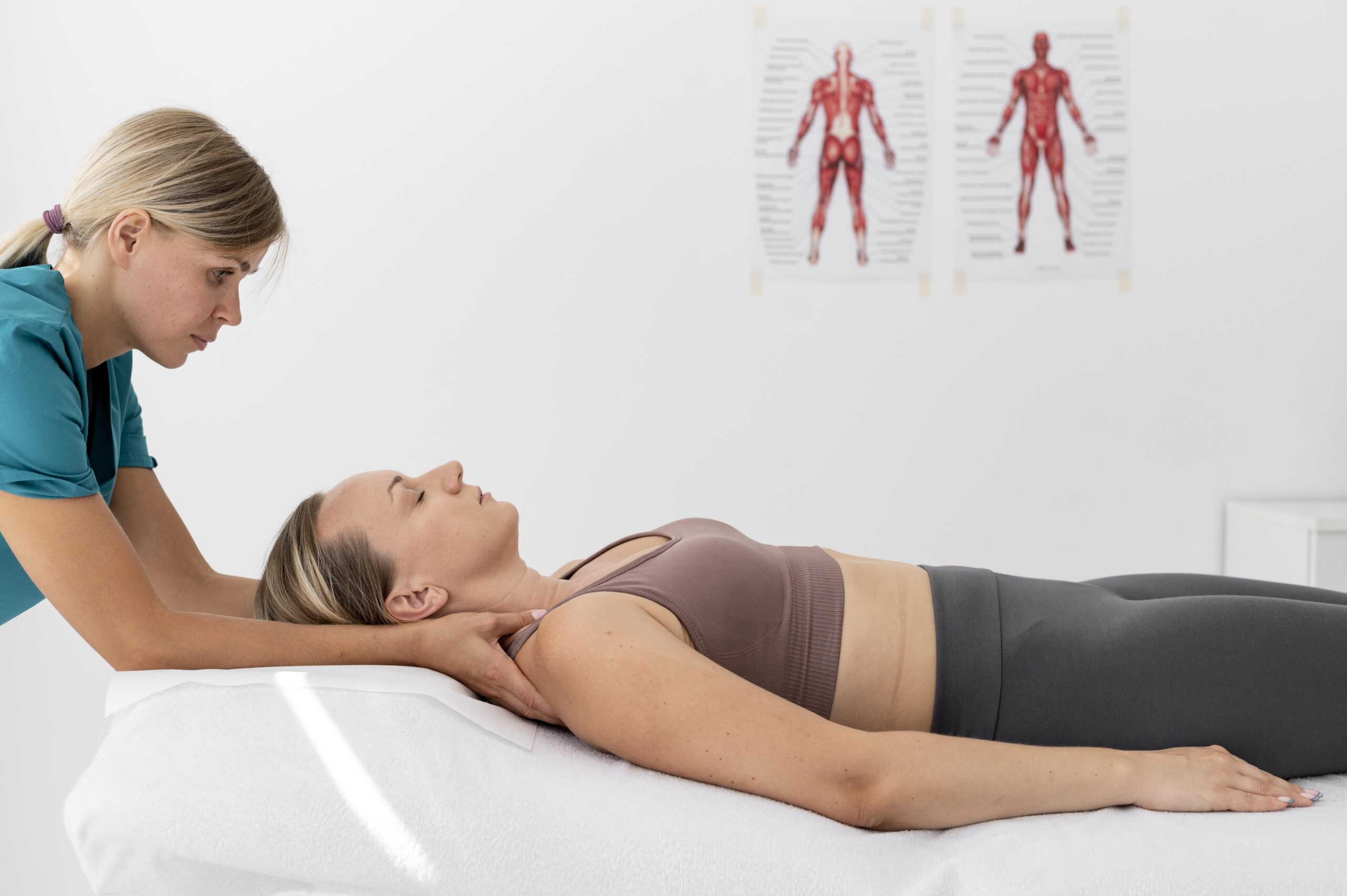
✅ Chiropractic care – Gentle adjustments can reduce joint restrictions, improve mobility, and calm down irritated nerves, helping the body “reset” from chronic tension.
✅ Exercise & movement – Even light walking or stretching helps release endorphins (natural stress fighters) and relieves muscle tightness.
✅ Breathing & relaxation techniques – Deep breathing, meditation, or yoga can reduce stress hormones and relax tight muscles.
✅ Ergonomic check – Small adjustments to desk height, chair support, or sleeping posture can reduce the physical load on stressed muscles.
When to Seek Help
Occasional tension is normal, but if you find that stress-related pain is:
- Constant or worsening
- Affecting your sleep
- Causing frequent headaches
- Limiting your work, exercise, or family life
…then it’s worth seeking professional support.
At Sun Chiropractic, we don’t just look at your spine — we look at your whole lifestyle. By addressing both the physical and stress-related contributors to pain, we can help you move better, feel calmer, and break the cycle of stress and tension.
Final Thoughts
Stress is part of life — but it doesn’t have to live in your neck and back. By understanding the mind-body connection and getting the right support, you can reduce pain, move freely, and feel more resilient.
💬 If stress has been showing up in your body as neck or back pain, book a consultation today. We’ll work with you on a plan to help you unwind tension, improve mobility, and support your long-term health.